
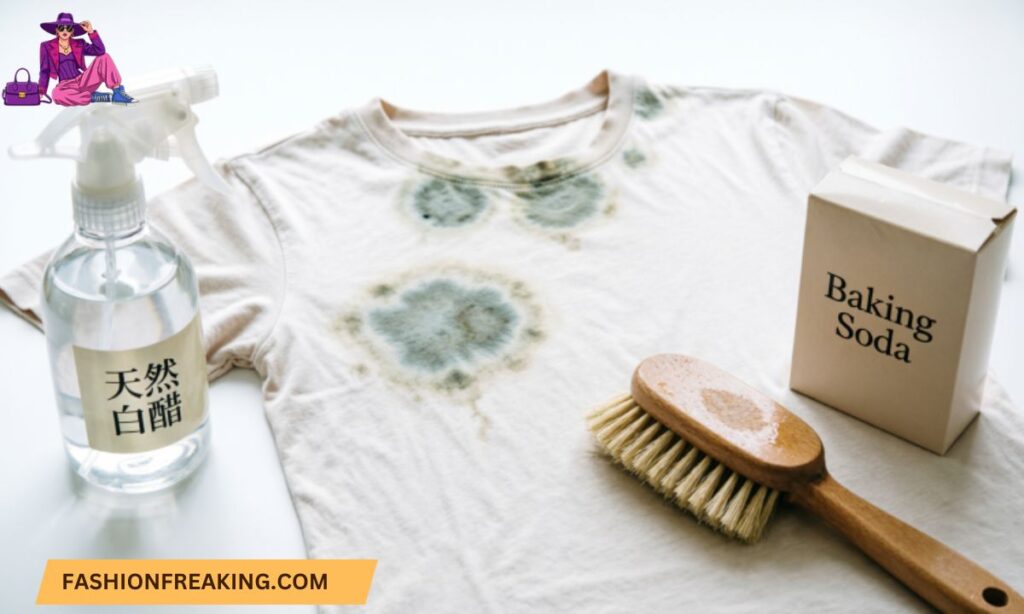
You reach into your laundry basket, pull out a shirt, and notice something alarming — grayish-white spots and a musty odor that no amount of sniffing is going to let you ignore. That’s mildew, and unfortunately it doesn’t just wash out on its own. The good news is that mildew stains on clothes are highly treatable, even on colored or delicate fabrics, as long as you use the right method.
This guide walks you through exactly how to get mildew stains out of clothes — covering natural solutions, commercial treatments, fabric-specific advice, and the prevention habits that stop mildew from coming back.
Mildew vs. Mold on Clothes: What’s the Difference?
Before treating the problem, it helps to know what you’re dealing with. Both mildew and mold are fungi that thrive in warm, damp conditions — but they look and behave differently on fabric.
- Mildew typically appears as flat, powdery white or gray spots on the surface of fabric. It produces a musty odor and is generally easier to remove.
- Mold tends to appear as fuzzy green, black, or dark brown patches. It penetrates fabric fibers more deeply, smells stronger, and can be harder to fully eliminate.
For either problem, the removal approach is similar — but mold stains may require more aggressive treatment or repeated cycles.
Why You Need to Act Quickly
Mildew is a living organism. The longer it sits on fabric, the more deeply its spores embed into the fiber structure. What might come out with one wash today could require three or four treatment cycles if left for a week. Mildew also spreads — one affected garment left in a closed hamper can transfer spores to everything surrounding it.
Beyond the stain itself, prolonged exposure to mildew spores poses health risks, particularly for anyone with allergies, asthma, or respiratory sensitivities. Always wear rubber gloves and, when handling heavily affected items, a face mask — especially when brushing dry spores off fabric outdoors.
Step-by-Step: How to Remove Mildew Stains from Clothes
Step 1: Take the Garment Outside First
Before doing anything else, take the mildewed clothing outdoors and use a dry, soft-bristled brush to gently remove loose mildew spores from the surface. Doing this outside prevents spores from spreading to other areas of your home. Avoid shaking the fabric vigorously — brush in slow, controlled strokes.
Step 2: Rinse Under Warm Running Water
Hold the affected area under warm running water to flush out surface spores and loosen the stain before applying any treatment. This step also rehydrates the mildew, making it more responsive to cleaning agents.
Step 3: Pre-Treat the Stained Area
Choose one of the treatment methods below based on your fabric type and what you have on hand. Apply directly to the stained area, work it gently into the fabric using an old toothbrush or soft cloth, and allow it to sit for at least 10–15 minutes.
Step 4: Wash at the Highest Safe Temperature
Mildew cannot survive high temperatures. Check the garment’s care label and wash at the hottest water setting the fabric allows — ideally 60°C (140°F). Use a high-quality enzyme-based or stain-removing detergent for the best results.
Step 5: Air Dry in Direct Sunlight
Sunlight is one of the most effective natural mildew killers available. UV rays break down residual fungal spores and help fade any remaining discoloration. Hang the garment outside in full sun, turning it inside out if the fabric is prone to color fading from UV exposure.
Step 6: Inspect Before Using a Dryer
Check the garment carefully before placing it in the tumble dryer. Heat from a dryer can set any remaining mildew stain permanently. If discoloration or odor persists, repeat the pre-treatment and washing cycle before drying on heat.
Best Methods to Remove Mildew Stains from Clothes
Method 1: White Vinegar (Best for Most Fabrics)
White vinegar is mildly acidic, which makes it highly effective at killing mildew spores and neutralizing the musty odor they produce. For light stains, mix equal parts white vinegar and water. For stubborn or set-in stains, apply undiluted white vinegar directly to the affected area.
Soak the stain for 15–30 minutes, then scrub gently with a soft toothbrush before laundering. Important: Do not mix vinegar with bleach — the chemical reaction produces toxic fumes. Always rinse vinegar-treated garments thoroughly before adding them to the washing machine, as vinegar can degrade machine components over time.
Method 2: Baking Soda and White Vinegar Paste
Combining baking soda and white vinegar creates a gentle fizzing action that lifts mildew from fabric fibers while neutralizing odor. Mix 2 parts baking soda to 1 part white vinegar to form a paste. Apply it directly to the stain, leave for 15 minutes, then rinse and launder as usual. This combination is safe for both white and colored fabrics and works particularly well for mild-to-moderate staining.
Method 3: Lemon Juice and Salt Paste
This is an excellent natural alternative for white or light-colored garments. Combine fresh lemon juice and table salt to form a thick paste. Apply it to the mildewed areas and then place or hang the garment in direct sunlight. The lemon’s citric acid works alongside UV rays to lighten and break down the stain. Repeat the application if the stain is particularly stubborn.
Method 4: Borax Solution
Borax is a naturally occurring mineral compound and a highly effective mildew killer that, unlike bleach, doesn’t weaken fabric fibers or fade color. Dissolve half a cup of borax in very hot water, then add it to your washing machine along with your regular detergent. Alternatively, create a borax paste with water and apply it as a pre-treatment directly to the stain.
Borax is absorbed by fabric fibers and continues to inhibit future mildew growth after washing — making it particularly useful for towels, gym wear, and bedding that tend to stay damp.
Method 5: Oxygen-Based Bleach (Color-Safe Bleach)
For colored garments where regular chlorine bleach would cause fading, oxygen-based bleach (look for labels saying “all-fabric bleach,” “color-safe bleach,” or “perborate bleach”) is a safe and effective alternative. Dissolve the recommended amount in warm water according to the package instructions and pre-soak the garment for 30 minutes to one hour before a full machine wash. This method works well on stubborn or older stains that haven’t responded to natural treatments.
Method 6: Chlorine Bleach (White Fabrics Only)
For white cotton garments with heavy mildew staining, chlorine bleach is one of the most powerful treatments available. Pre-soak the garment in a diluted bleach solution for up to 30 minutes before a hot machine wash. Use bleach only in a well-ventilated area, never mix it with vinegar or ammonia, and always test on a hidden seam before applying widely. Bleach can weaken fabric fibers with repeated use, so limit it to severe cases.
Quick Comparison: Mildew Stain Removal Methods at a Glance
| Method | Safe for Colors? | Fabric Types | Best For | Effort Level |
| White Vinegar | Yes | Most fabrics | Light to moderate stains, odor removal | Low |
| Baking Soda + Vinegar | Yes | Most fabrics | Moderate stains and musty odor | Low |
| Lemon Juice + Salt | Yes (light colors) | Cotton, linen | White or pale garments, sun treatment | Low |
| Borax Solution | Yes | Most fabrics | Deep-set stains, prevention | Medium |
| Oxygen-Based Bleach | Yes | Most fabrics | Stubborn stains on colored clothing | Medium |
| Chlorine Bleach | No | White cotton only | Heavy staining on white garments | Medium |
Mildew on Delicate Fabrics: Special Considerations
Wool and Cashmere
Never scrub mildewed wool or cashmere — the agitation causes felting and permanent fiber damage. Instead, gently dab a diluted white vinegar solution onto the stain and hand-wash in cool water using a specialist wool detergent. Lay flat to dry in indirect sunlight rather than hanging, to prevent stretching.
Silk
Silk is highly sensitive to acids, so avoid full-strength vinegar or lemon juice. A very diluted mild detergent solution applied gently with a soft cloth is the safest pre-treatment. Always hand-wash and never wring silk. If the staining is severe, professional dry cleaning is the most reliable option.
Dry Clean Only Garments
Do not attempt to wet-treat dry-clean-only items at home. Carefully place them in a sealed plastic bag to prevent spore transfer and take them to a professional cleaner as soon as possible. Point out the mildew staining and its location clearly — a good dry cleaner will know exactly how to handle it.
Also Read This: Does Dry Cleaning Shrink Clothes?
How to Prevent Mildew on Clothes?
Getting rid of mildew once is enough work — preventing it from returning is the smarter long-term strategy.
- Never leave wet clothes sitting in the washing machine. Mildew can begin to grow within 24 hours in a warm, damp drum. Transfer clothes to the dryer or washing line immediately after the cycle ends.
- Allow gym wear and swimwear to dry before adding to the laundry hamper. Damp garments sealed in a hamper create the perfect conditions for mildew.
- Keep your wardrobe and storage areas well-ventilated. Avoid packing clothes too tightly — good air circulation prevents moisture from building up.
- Use a dehumidifier in humid climates or damp rooms where laundry is stored.
- Store off-season clothing properly. Wash and completely dry all garments before storing them in breathable cotton bags or vacuum-sealed bags. Avoid plastic bags for long-term storage, as they trap moisture.
- Clean your washing machine regularly. Mildew can build up inside a washing machine drum, especially front-loaders. Run a monthly hot cleaning cycle with white vinegar or a washing machine cleaner.
FAQ’s
Can mildew stains be permanently removed from clothes?
In most cases, yes — especially if treated promptly. Very old or deeply set stains on delicate fabrics may not fully disappear, but proper treatment significantly fades and often eliminates them.
Does washing clothes kill mildew spores?
A hot wash at 60°C combined with a suitable detergent or booster (borax, vinegar, or oxygen bleach) effectively kills mildew spores, though it may not always remove existing discoloration without pre-treatment.
Why do my clothes smell musty after washing?
A musty smell after washing usually means the washing machine itself has mildew buildup, or the clothes were left in the drum too long after the cycle. Run a machine cleaning cycle and transfer clothes to dry immediately after washing.
Is white vinegar or bleach better for mildew on clothes?
Vinegar is safer for most fabrics and colored garments and is effective on mild-to-moderate mildew. Bleach is more powerful but should only be used on white cotton and in a diluted form, as it damages fibers and fades color.
Can I put mildewed clothes straight in the washing machine?
It’s better to brush off loose spores outdoors first and pre-treat the stains before machine washing. Adding heavily mildewed clothing directly to the machine can allow spores to spread inside the drum and to other garments in the same load.
How do I remove black mold stains from clothes?
Black mold penetrates more deeply than mildew. Pre-soak in an oxygen-based bleach solution for one hour, then wash at the highest safe temperature. Repeat the cycle if necessary. For delicates, seek professional cleaning.
Does sunlight remove mildew stains from clothes?
Sunlight alone helps kill mildew spores and fades mild discoloration — particularly when combined with a lemon and salt paste. For established stains, sunlight drying works best as a follow-up to a proper chemical treatment, not as a standalone solution.
Conclusion
Getting mildew stains out of clothes requires a bit more effort than a standard laundry run, but it’s entirely achievable with the right approach. The most important steps are acting quickly, treating the stain before washing rather than hoping the machine does the work, choosing the right cleaning agent for your fabric type, and always checking for remaining staining before tumble drying.
For most fabrics, white vinegar or a borax solution will get the job done safely and effectively. For stubborn cases or white cotton, oxygen-based or chlorine bleach provides the extra strength needed. And once your clothes are clean, a few simple storage and laundry habits will ensure you’re not dealing with the same problem again next season.

Shoaib is the creative mind behind FashionFreaking.com, sharing trendy insights on shoes, jewelry, clothes, and modern fashion to inspire confidence, style, and everyday elegance for fashion lovers worldwide.