
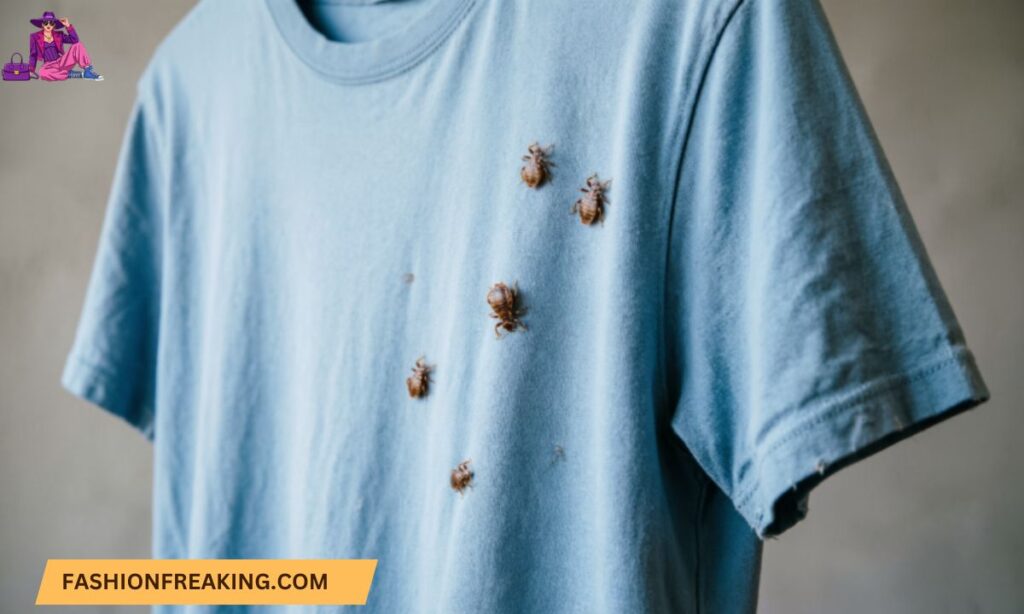
Discovering bed bugs is one of the most unsettling experiences a homeowner can face. And one of the first questions people ask is: can these things survive in my clothes? The answer is yes — and they can stick around longer than most people expect.
Whether you’ve just returned from a hotel stay or spotted signs of an infestation at home, understanding how long bed bugs live on clothes can help you act fast and stop the spread before things get worse.
How Long Can Bed Bugs Survive on Clothing?
Bed bugs can live on clothes for anywhere from a few days to up to 4 months, depending on temperature, humidity, and whether they have access to a blood meal. Clothing is not their preferred habitat, but it’s absolutely a place they can hide, hitchhike, and wait.
Here’s the general survival timeline by environment:
| Location | Survival Time |
| Infested mattresses / furniture | Up to 12 months |
| Luggage and suitcases | 2–6 months |
| Clothing (stored or unworn) | 1–4 months |
| Clothing being worn | Several hours to 1 day |
| Freezer (0°F / -18°C) | Dies within 3–4 days |
The key factor in all of this is food. Bed bugs that have recently fed can survive much longer than those that haven’t. Without a blood meal, survival time shortens — but it can still stretch to several months under the right conditions.
Why Clothing Is Not Bed Bugs’ First Choice
Bed bugs prefer stable, dark, undisturbed environments close to a sleeping human — think mattress seams, box springs, and headboards. Clothing, by contrast, is moved, worn, and washed regularly, which makes it a less ideal long-term hiding spot.
That said, certain clothing situations make infestation far more likely:
- Clothes piled on the floor near the bed — this is a prime target since bed bugs don’t have to travel far from their main hiding spots.
- Dirty laundry — research shows bed bugs are drawn to worn clothing because it carries human scent and carbon dioxide traces, which signal a nearby food source.
- Seasonal or stored clothes — items left in closets, bins, or bags for weeks or months without use can become quiet harborages if bed bugs are present.
- Clothes in an infested room — proximity matters. If your bedroom has a bed bug problem, anything fabric in that room is at risk.
Can Bed Bugs Travel on Clothes You’re Actually Wearing?
This is a worry that crosses most people’s minds, and the good news is that it’s unlikely — but not impossible.
Bed bugs do not cling to humans the way lice or fleas do. They lack the gripping claws needed to anchor themselves to moving fabric or hair. Because they also dislike heat and body movement, they’re unlikely to remain on clothing while you’re wearing and moving around in it.
However, if you’re sitting still for an extended period in an infested area — a hotel room, a movie theater seat, a friend’s couch — a bed bug could crawl onto your clothing. In that case, it may stay hidden in a fold, cuff, or pocket for several hours to potentially a full day before dropping off or being carried into your home.
The bigger risk isn’t the clothes on your back — it’s the jacket you tossed on a hotel bed, the bag you set on an infested floor, or the coat hung on a chair in an infested room. Stationary, unworn clothing in an infested space is where the real transfer happens.
Factors That Affect How Long Bed Bugs Survive on Clothes
Temperature
Temperature is the single biggest driver of bed bug survival. Bed bugs are cold-blooded, meaning their metabolism is directly tied to their environment.
- Warm temperatures (70–80°F / 21–27°C): Bed bugs remain active, continue their lifecycle, and can survive for 2–4 months without feeding.
- Cool temperatures (below 60°F / 15°C): Metabolism slows dramatically. Survival time can extend to 6–12 months under very cool, stable conditions.
- Extreme heat (above 122°F / 50°C): Lethal. All life stages — eggs, nymphs, adults — are killed within 20–30 minutes at this temperature.
- Freezing (0°F / -18°C): Kills bed bugs within 3 days.
Access to a Host
Bed bugs that have recently fed can survive much longer between meals. An adult that has just fed may go 5–10 days before needing another meal, and in cool conditions can stretch that to several months. Unfed bugs have a shorter clock — but it’s still measured in weeks, not hours.
Life Stage
| Life Stage | Survival Without Feeding |
| Eggs | Hatch in 6–10 days; can’t feed until hatched |
| Young Nymphs | Days to a few weeks |
| Older Nymphs | Several weeks to months |
| Adults | 2–4 months (up to 12+ months in cool conditions) |
Adults and older nymphs are the survivors. Young nymphs are more vulnerable but can still cause problems if they hatch in your clothing.
How to Tell If Bed Bugs Are in Your Clothes?
Bed bugs are experts at hiding, but they do leave signs. Check your clothes — especially along seams, folds, and cuffs — for:
- Tiny reddish-brown insects (roughly the size of an apple seed)
- Pale yellow shed skins — nymphs shed their exoskeleton five times as they grow
- Small dark spots — these are bed bug droppings, and they look like tiny ink dots
- Rust-colored blood stains — from bugs that were crushed after feeding
- A musty, sweet odor — large infestations produce a distinctive smell
If you spot any of these signs, act immediately. Delay only gives them more time to spread.
Also Read this: What Is 2T in Baby Clothes?
How to Kill Bed Bugs on Clothes?
The good news: eliminating bed bugs from clothing is straightforward. Heat is your best weapon.
Step-by-Step Laundering Process
- Seal clothes in a plastic bag before carrying them to the laundry area — this prevents bed bugs from falling off and spreading.
- Wash on the hottest water setting safe for the fabric. Hot water kills most bed bugs during the wash cycle.
- Dry on high heat for at least 30 minutes. This is the critical step — the dryer is more effective at killing bed bugs than washing alone. Most home dryers reach temperatures well above the 122°F (50°C) lethal threshold.
- Store clean clothes in sealed bags or plastic containers away from the infested area until the infestation is fully treated.
What About Delicate Items That Can’t Be Hot Washed?
- Freeze them. Place items in a sealed plastic bag and put them in a freezer set to 0°F (-18°C) for at least 3–4 days. This kills bed bugs at all life stages.
- Steam treat. A clothes steamer reaching 212°F (100°C) can kill bed bugs on contact when applied directly to seams and folds.
- Dry-clean. Inform the dry cleaner of the suspected infestation — the heat and chemicals used in the process are lethal to bed bugs.
What NOT to Do
- Don’t shake clothes in the infested room — this scatters bed bugs and makes the problem worse.
- Don’t store clothes in cardboard boxes — bed bugs can crawl easily on cardboard and love hiding in its corrugated layers.
- Don’t assume washing alone is enough — cold or warm water washing may not kill all bugs or eggs. The dryer heat is essential.
Preventing Bed Bugs From Getting on Your Clothes
Prevention is always easier than treatment. Here are the most effective habits to adopt:
- Inspect hotel rooms before unpacking. Check the mattress seams, headboard, and luggage rack before placing your clothes anywhere.
- Use luggage racks, not the floor or bed. Metal luggage racks away from the wall are much safer resting spots for bags.
- Bag your travel clothes. When returning from a trip, put worn clothes directly into a sealed bag and launder them immediately.
- Be cautious with secondhand clothing. Inspect and wash thrift store or used clothing before bringing it into your bedroom.
- Keep clothes off the bedroom floor. Hanging clothes or folding them into drawers reduces the chance of contact with any bed bugs present.
Frequently Asked Questions
How long can bed bugs live in a sealed bag of clothes?
Bed bugs in a sealed bag with no host can survive for several weeks to a few months depending on temperature. Sealing bags helps contain them but doesn’t kill them — you’ll need heat or cold treatment to do that.
Can bed bugs survive a washing machine cycle?
Washing alone may not kill all bed bugs, especially in cold or warm water. The dryer on high heat for 30+ minutes is what reliably eliminates them at all life stages.
Do bed bugs lay eggs on clothes?
Yes, they can. Females lay 1–5 eggs per day and will deposit them in fabric folds and seams. This makes prompt laundering even more critical.
Can bed bugs travel home on my clothes from a hotel?
Yes. If you placed clothing directly on an infested bed, floor, or furniture, bed bugs could hitch a ride. Laundering travel clothes immediately after returning home is the best preventive step.
Will wearing infested clothes spread bed bugs to other people?
It’s unlikely through normal contact, but possible if a bug falls off your clothing onto furniture or bedding in a new location. Bed bugs do not live on the human body like lice.
Can I wear clothes from an infested room?
Only if they’ve been laundered and dried on high heat first. Until treated, clothing from an infested space should be considered potentially contaminated.
Conclusion
Bed bugs can survive on clothing for days to several months — and they’re remarkably good at hiding in fabric folds, seams, and pockets. The most important things to remember are: clothing is not their preferred home, but it’s an effective vehicle for spreading infestations. Heat — specifically the high heat of a clothes dryer — is your most reliable weapon. Act quickly, seal contaminated items before moving them, launder everything on hot, and treat the broader infestation in your home with professional help if needed.
Catching the problem early and handling clothing correctly can make a significant difference in how fast — and how completely — a bed bug infestation is resolved.

Shoaib is the creative mind behind FashionFreaking.com, sharing trendy insights on shoes, jewelry, clothes, and modern fashion to inspire confidence, style, and everyday elegance for fashion lovers worldwide.