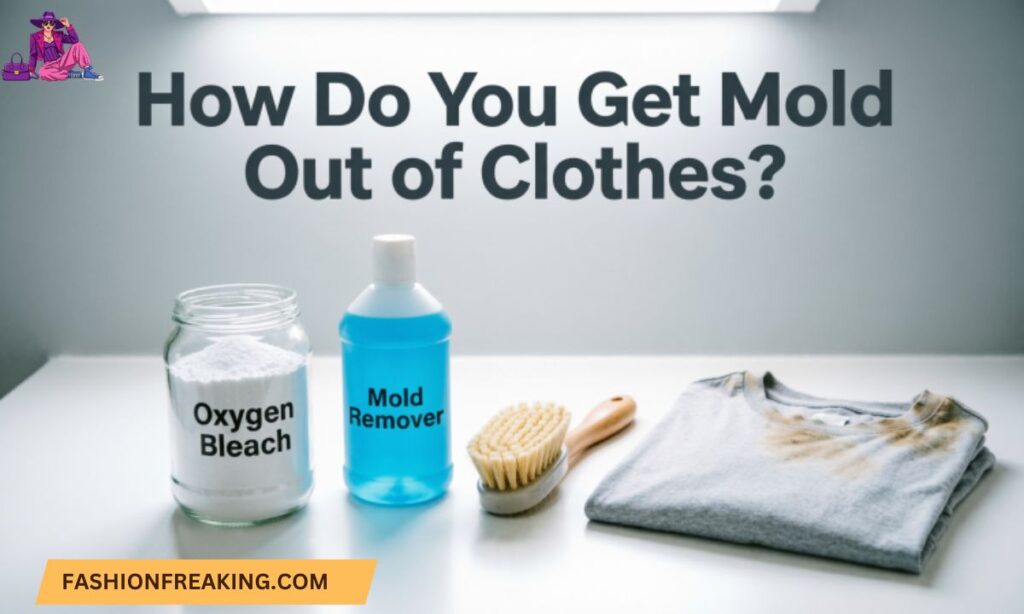
Finding mold on your favorite shirt or jacket is frustrating — but it doesn’t mean those clothes are ruined. With the right approach and a few household ingredients, you can remove mold and mildew from most fabrics safely and effectively.
This guide walks you through exactly how to get mold out of clothes, what products actually work, and how to stop it from coming back.
What Causes Mold to Grow on Clothes?
Mold thrives in warm, damp, and dark conditions. Clothes left wet in a hamper, forgotten in the washing machine, or stored in a humid closet are prime targets. Mold spores naturally exist in the air around us — all they need is a moist surface and they’ll settle in fast.
Common causes include:
- Leaving damp or sweaty clothes sitting too long before washing
- Storing clothes in poorly ventilated closets or basements
- High indoor humidity levels
- Clothes not drying fully before being folded or put away
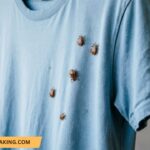
The two most common types you’ll encounter are black mold (which appears as dark greenish-black spots, often on cellulose-rich fabrics) and white mold (lighter in appearance, common on jackets, shoes, and stored clothing).
Is Mold on Clothes Dangerous?
Yes, mold on clothes is more than just a cosmetic problem. Mold produces allergens and irritants that can trigger skin reactions, respiratory issues, and allergic responses — especially in people with asthma or mold sensitivities. That musty smell you notice is a warning sign that mold spores are present, even if you can’t always see them visually.
Always wear gloves and a protective mask when handling moldy garments, and work in a well-ventilated area.
What You’ll Need Before You Start
| Item | Purpose |
| Soft-bristled brush | Removing loose mold spores from fabric |
| White distilled vinegar | Natural mold killer and odor neutralizer |
| Baking soda | Deodorizer and gentle abrasive |
| Borax | Powerful mold-fighting additive for washing |
| Laundry detergent | Standard washing |
| Gloves + mask | Personal protection |
| Plastic bag | Containing mold-affected items before treatment |
How to Get Mold Out of Clothes: Step-by-Step
Step 1: Take the Clothes Outside First
Before you do anything else, take the moldy clothes outside. This prevents mold spores from spreading to other surfaces in your home and contaminating your indoor air quality. Give the garments a gentle shake to dislodge any loose spores — but don’t shake them vigorously, as that can launch spores into the air.
Put on gloves and a mask before handling the items.
Step 2: Brush Off Visible Mold
Using a soft-bristled brush, gently scrub away any visible mold from the fabric surface. Be thorough but gentle — aggressive scrubbing can damage delicate fibers. This step clears the way for your cleaning solutions to penetrate deeper into the fabric.
Check the care label at this point. If the garment says “dry clean only,” skip the home treatment steps and take it to a professional cleaner, pointing out the mold problem clearly.
Step 3: Pre-Treat with a Mold-Removing Solution
This is where you bring in the real mold fighters. Choose one of the following pre-treatment options based on what you have available and the fabric type:
White Vinegar (Best All-Around Option)
- Soak the affected area in undiluted distilled white vinegar for one hour, OR
- Mix one part vinegar with two parts water and spray directly onto moldy spots
- Let it sit for 15–20 minutes before moving on
- Vinegar kills mold spores and neutralizes musty odors simultaneously
Baking Soda Paste (Gentle on Fabrics)
- Mix baking soda with a small amount of water to form a thick paste
- Apply the paste to moldy spots and let it sit for 15–20 minutes
- Gently scrub with a soft brush, then rinse thoroughly
Borax Solution (For Stubborn Mold)
- Dissolve ½ cup of borax in 1–2 cups of hot water to form a liquid solution
- Apply the solution to affected areas as a pre-soak or pre-spray
- Borax is highly effective at breaking down stubborn mold and mildew
Hydrogen Peroxide (For White or Light Fabrics)
- Mix equal parts hydrogen peroxide and water
- Apply to moldy areas, let sit for 10–15 minutes, then rinse
⚠️ Important: Never mix vinegar and bleach. That combination produces chlorine gas, which is toxic. Stick to one treatment method per wash cycle.
Step 4: Machine Wash in Hot Water
Once you’ve pre-treated the garment, load it into the washing machine. Set the water temperature to the hottest setting the care label allows — heat is effective at killing mold spores. Add your regular laundry detergent and include one of the following boosters:
- 1 cup of white vinegar added directly to the drum
- ½ cup of baking soda to deodorize and freshen
- ½ cup of borax dissolved in hot water added to the drum
For heavily mold-affected items, use an extended wash cycle if your machine offers one. This gives the detergent and mold-fighting additives more time to work through the fabric.
Step 5: Dry Clothes in Direct Sunlight
After washing, skip the dryer if possible and hang your clothes outside in direct sunlight. UV rays from the sun have natural antifungal properties that help kill any remaining mold spores. The combination of sunlight, heat, and fresh air is genuinely the best drying method for mold-affected fabrics.
If outdoor drying isn’t an option, use your dryer on the highest heat setting the care label permits. Warmer temperatures are more effective at eliminating mold and mildew.
Do not put clothes away until they are completely dry. Even a small amount of residual moisture can allow mold to grow back quickly.
Step 6: Inspect and Repeat if Necessary
After drying, check the garment carefully for any remaining mold spots or musty odor. If stains or smells persist, repeat the full process — this time soaking for longer and scrubbing the affected areas more thoroughly.
Sometimes a second round of treatment is all it takes to finish the job completely.
Mold Removal Methods Compared
| Method | Best For | Kills Mold? | Removes Odor? | Safe for Colors? |
| White Vinegar | All fabric types | ✅ Yes | ✅ Yes | ✅ Yes |
| Baking Soda | Delicate fabrics | ✅ Yes (mild) | ✅ Yes | ✅ Yes |
| Borax | Stubborn mold | ✅ Yes | ✅ Yes | ✅ Yes |
| Bleach | White fabrics only | ✅ Yes | ✅ Yes | ❌ No |
| Hydrogen Peroxide | Light-colored fabrics | ✅ Yes | ✅ Partially | ⚠️ Test first |
How to Remove Mold from Delicate or Dry-Clean-Only Fabrics?
Delicate fabrics require special care. For items labeled “dry clean only,” place them in a sealed plastic bag and bring them to a professional dry cleaner. Make sure to point out the mold stains so they can use the right treatment method.
For other delicate fabrics that can be hand-washed but not machine-washed:
- Spot treat using a diluted vinegar spray or a lemon juice and salt mixture
- Gently blot (don’t scrub) the affected area
- Rinse thoroughly with cold water
- Air dry flat in a well-ventilated space
Also Read This: What Colours Go With Blue Clothes?
How to Prevent Mold from Growing on Clothes Again?
Getting rid of mold is only half the battle. Prevention is what keeps it from returning.
- Dry clothes fully before storing them — never fold or put away damp laundry
- Don’t leave wet clothes in the washer — transfer to the dryer or hang them promptly
- Ventilate your closet — leave a gap between hanging clothes and consider a small dehumidifier
- Wash sweaty or damp clothes quickly — don’t let them sit in a hamper for days
- Clean your washing machine regularly — mold inside the drum can transfer to your clothes
- Store seasonal clothing in breathable containers, not sealed plastic bins that trap moisture
When to Throw Clothes Away
Not every moldy garment can be saved. If mold has deeply penetrated the fabric fibers, caused significant discoloration that won’t lift, or you’ve washed the item multiple times with no improvement — it may be time to let it go. Heavily mold-damaged clothing can continue to release spores even after washing, posing ongoing health risks.
Frequently Asked Questions
Can mold come out of clothes in just one wash?
Mild mold cases often clear up in one wash cycle with the right pre-treatment, but heavy or set-in mold may require two or more rounds of treatment.
Does hot water kill mold in clothes?
Yes, heat is effective at killing mold spores. Always wash mold-affected clothes at the hottest temperature the fabric care label allows.
Will vinegar damage my clothes?
Vinegar is generally safe for most fabrics, but it can be harsh on delicate materials and elastic over time. Avoid using it repeatedly on the same garment and always check the care label.
Can I use bleach on mold in colored clothes?
No — bleach will strip the color from most dyed fabrics. Stick to vinegar, baking soda, or borax for colored clothing.
How do I get the musty smell out of clothes without washing?
Spritz the garment with a 1:2 vinegar-to-water solution, let it air out in sunlight for a few hours. The UV light and airflow help neutralize the odor naturally.
Is it safe to wear clothes that had mold on them?
Once mold has been fully removed and the garment passes a visual inspection and smell test, it is generally safe to wear. If any mustiness remains, the mold may still be present — repeat the cleaning process.
Final Thoughts
Mold on clothes is one of those problems that looks worse than it usually is. In most cases, a good pre-soak in white vinegar, a hot machine wash with a baking soda or borax boost, and a long dry in the sun is all it takes to restore your garments. Act quickly when you spot mold — the sooner you treat it, the easier it is to remove. And once your clothes are clean, a few simple habits around drying and storage will keep the problem from coming back.

Shoaib is the creative mind behind FashionFreaking.com, sharing trendy insights on shoes, jewelry, clothes, and modern fashion to inspire confidence, style, and everyday elegance for fashion lovers worldwide.