
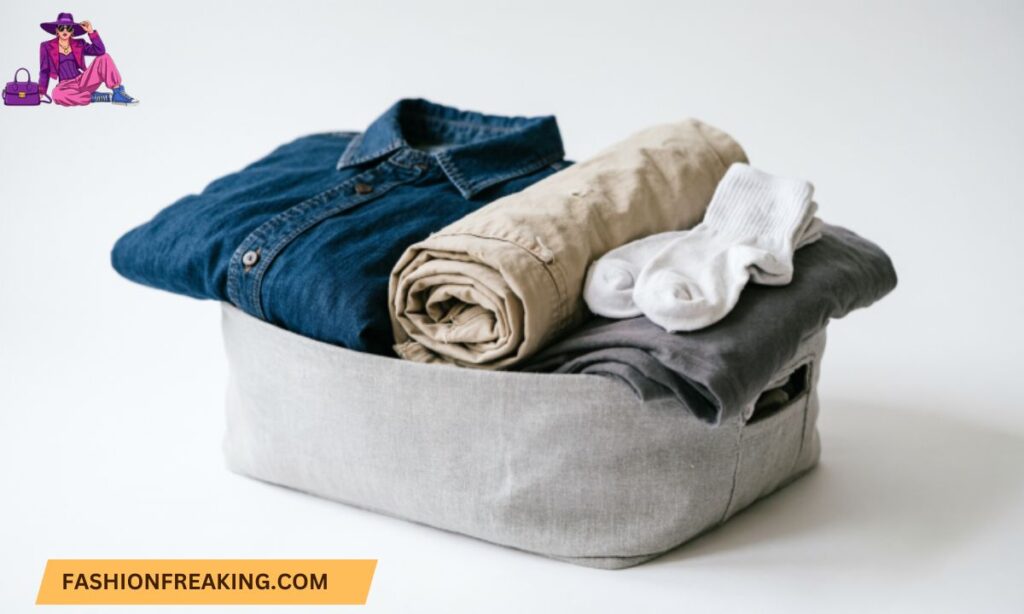
Clearing out your closet feels great — until you realize you have no idea what to do with all those unwanted clothes. Tossing them in the trash seems like the easiest solution, but the environmental cost is staggering. Americans discard an average of 68–81 pounds of clothing per person every year, and most of it ends up in landfills where synthetic fabrics can take up to 200 years to break down.
The good news? There are smarter, more sustainable ways to get rid of old clothes — and some of them even put money back in your pocket. Whether you’re doing a full wardrobe detox or just clearing a few items, this guide covers the best options from selling and donating to textile recycling and upcycling.
Why You Shouldn’t Just Throw Clothes Away
Before exploring your options, it’s worth understanding what’s at stake. The fashion industry is responsible for an estimated 8–10% of global carbon emissions — more than aviation and shipping combined. When clothing ends up in a landfill, all the water, energy, and raw materials used to make it are wasted too.
Even “donating” isn’t always the eco-friendly solution people assume it is. Only 10–20% of donated clothing actually gets resold in thrift stores. The rest gets exported to developing countries, downcycled into rags or insulation, or quietly sent to landfills. This doesn’t mean donating is bad — it just means being strategic about where and what you donate matters enormously.
The hierarchy is simple: Sell or swap first → donate second → recycle third → discard as a last resort.
How to Decide What to Get Rid Of?
Before diving into disposal methods, do a proper closet audit. Ask yourself:
- Have I worn this in the past 12 months?
- Does it still fit properly?
- Is it in good enough condition for someone else to wear?
- Would I buy it again today?
Sort your clothes into three piles: Keep, Rehome (good condition), and Recycle/Dispose (worn out, stained, or damaged beyond repair). This helps you match each item to the right disposal method.
10 Best Ways to Get Rid of Old Clothes
1. Sell Them Online
Selling clothes online is one of the most responsible and financially rewarding ways to declutter your wardrobe. Clothes you sell stay in active use — exactly where they belong.
Best platforms to sell used clothes:
| Platform | Best For | Fee Structure |
| Poshmark | Everyday and mid-range fashion | 20% commission on sales over $15 |
| Depop | Vintage and streetwear | 10% seller fee |
| ThredUP | Bulk selling; they handle everything | Consignment-based, varies by item |
| The RealReal | Luxury and designer labels | Consignment split |
| Vinted | Free listing; buyer pays fees | No seller fees |
| Facebook Marketplace | Local quick sales | Free to list |
| eBay | Everything, especially branded items | ~13% final value fee |
Tips for selling clothes quickly:
- Use natural lighting for photos; show front, back, and any labels.
- Mention brand, size, fabric, and condition in the description.
- Price 50–70% below retail for faster sales.
- Bundle slow-moving items into “lots” to move them faster.
2. Donate to Charity or Thrift Stores
Donating is a solid option when clothes are in genuinely good condition — clean, undamaged, and something another person would actually want to wear. The key is being selective about both what you donate and where you send it.
Where to donate used clothes:
- Goodwill and Salvation Army — Wide drop-off access; best for everyday clothing in good condition.
- Homeless shelters and women’s shelters — Great for professional clothing, winter coats, and new undergarments.
- Give Your Best — Connects unwanted garments directly with refugees and domestic violence survivors.
- Dress for Success — Accepts professional attire to help people prepare for job interviews.
- Donation Town — Helps you find local charities that will pick up clothing from your home.
✅ Donate only what’s genuinely wearable. Charities are overwhelmed with fast fashion that no one wants. If you wouldn’t feel comfortable giving an item directly to a friend, don’t donate it.
3. Host or Attend a Clothing Swap
A clothing swap is exactly what it sounds like — you bring clothes you no longer wear, and leave with pieces other people have outgrown. Zero money changes hands. Zero waste goes to a landfill.
Ask friends and family to bring 5–10 items each. Set ground rules: all items must be clean and in good condition. What doesn’t get claimed can be bundled for donation.
Can’t organize an in-person swap? Try Depop, Vinted, or Facebook Marketplace and specify in your listing that you’re open to swapping rather than selling.
4. Sell at a Consignment Store or Car Boot Sale
If photographing and shipping items feels like too much work, local consignment stores are an easy alternative. They handle the selling for you and pay you a percentage when the item sells.
Car boot sales and garage sales are another great option for clearing large volumes of clothing quickly, especially for casual, everyday pieces that wouldn’t command much on online platforms.
5. Give Clothes to Friends and Family
Sometimes the simplest solution is the best one. Before listing items online or packing a donation bag, think about whether someone in your circle could use what you’re clearing out.
A quick post on social media or a group chat asking “anyone want this?” is surprisingly effective. The benefit here is that you know exactly where your clothes end up — and that they’ll actually be used.
6. Use Brand Take-Back and Recycling Programs
Many clothing brands now run take-back schemes where you can return worn-out garments — from any brand — in exchange for store credit or a discount on a future purchase.
Brands with notable take-back programs:
- Patagonia — Accepts worn Patagonia items for repair, resale, or recycling.
- Madewell — Offers a discount if you bring in old jeans to their stores.
- The North Face — Accepts gently used clothing from any brand in exchange for store credit.
- Levi’s — Accepts old denim at in-store drop boxes.
- H&M — Drop boxes in-store for all brands; items are recycled or resold.
- For Days — A sustainable brand that accepts any worn clothing via their Take Back Bag program.
⚠️ Note: A 2023 investigation by the Changing Markets Foundation found that some brand take-back programs ultimately downcycle or destroy a significant portion of what’s returned. Programs run by genuinely sustainable brands (like Patagonia and For Days) tend to be more transparent and effective.
7. Textile Recycling Programs
For clothes that are truly worn out — stained, torn, or just beyond use — textile recycling is the best option. Rather than sending fabric to a landfill, these programs break clothing down into raw fiber to be spun into new yarn and used in new products.
Where to recycle clothes:
- TerraCycle — Accepts a wide range of textiles; check their website for drop-off locations.
- For Days — Their Take Back Bag accepts all brands and ensures nothing gets landfilled.
- USAgain bins — Drop-off collection bins found in many communities.
- Local textile recyclers — Search “[your city] textile recycling” to find nearby facilities.
Clothes that are 100% cotton, 100% polyester, or 100% wool are generally easier to recycle than blended fabrics. If you’re buying new clothes with future recycling in mind, opt for single-fiber fabrics when possible.
8. Upcycle or Repurpose Old Clothing
Before you declutter a damaged item, consider whether it could serve another purpose. Old T-shirts make excellent cleaning cloths or rags. Worn-out jeans can become tote bags or denim shorts. Soft flannel shirts can be cut into reusable wipes or gift wrapping fabric.
This approach won’t work for everything, but it’s a satisfying way to extend the life of garments that are too worn for donation or recycling programs.
9. Handle Special Items Carefully
Some clothing categories need specific disposal routes:
- Underwear and socks — Most thrift stores and donation centers won’t accept these for sanitary reasons. Look for brand-run programs: Smartwool accepts used socks through their Second Cut Project, and Subset runs an underwear recycling program in partnership with Supercircle.
- Formal and professional wear — Donate directly to organizations like Dress for Success or local shelters where job-ready attire can make a real difference.
- Winter coats — Many cities run coat drives in autumn; check with local shelters and community centers.
- Luxury and designer pieces — Platforms like The RealReal and Vestiaire Collective specialize in authenticated luxury resale and will get your items the value they deserve.
10. As a Last Resort: General Waste
If a garment is truly beyond use — heavily contaminated, moldy, or made of materials that can’t be recycled — general waste is unavoidable. But this should genuinely be the last resort after you’ve exhausted all other options.
Synthetic fabrics like polyester release microplastics when they break down in landfills, contributing to soil and water contamination. The better long-term solution is buying fewer, higher-quality items that last longer and can be recycled at end-of-life.
Also Read This: How to Get Silly Putty Out of Clothes?
Quick Comparison: Which Option Is Right for Your Clothes?
| Clothing Condition | Best Option |
| Good condition, stylish | Sell online (Poshmark, Depop, Vinted) |
| Good condition, everyday | Donate to charity or thrift store |
| Gently worn, not stylish | Clothing swap or give to friends |
| Slightly worn, branded | Brand take-back program |
| Worn but intact | Textile recycling |
| Damaged but usable material | Upcycle into rags or DIY projects |
| Truly beyond use | General waste (last resort) |
Tips to Reduce Clothing Waste Going Forward
Getting rid of clothes responsibly solves today’s problem — but buying more consciously prevents tomorrow’s. A few habits that help:
- Commit to wearing each new item at least 30 times before replacing it.
- Choose quality over quantity; better-made garments last longer and are easier to sell or recycle later.
- Opt for 100% natural or single-fiber fabrics when possible — they’re easier to recycle at end-of-life.
- Try a capsule wardrobe approach to reduce the volume of clothes cycling in and out of your closet.
Frequently Asked Questions
What is the best way to get rid of old clothes?
Sell or swap clothes in good condition first — this keeps them in use the longest. For worn-out items, textile recycling programs are far better than landfill disposal.
Can I put clothes in the recycling bin?
No — clothes should not go in household recycling bins. They require specialist textile recycling, available through brand take-back programs, TerraCycle, and community drop-off locations.
What do I do with clothes that are too worn to donate?
Look into textile recycling programs like For Days, TerraCycle, or brand-specific take-backs. Alternatively, repurpose them as cleaning rags or upcycle them into something new.
Is donating clothes actually sustainable?
It can be, if done thoughtfully. Only donate items in genuinely good condition, and research where your chosen organization sends unsold items before dropping off a large bag.
Where can I sell clothes online for free?
Vinted and Facebook Marketplace charge no seller fees. Depop and Poshmark charge commission only when an item sells, so listing is effectively free.
How should I get rid of old underwear and socks?
Most donation centers won’t accept these. Look for brand recycling programs — Smartwool accepts used socks, and Subset accepts underwear, bras, and tights for recycling.
Can fast fashion clothes be donated?
Yes, but be selective. Donate only pieces that are in excellent condition and still wearable. Charity shops are already overwhelmed with low-quality fast fashion that can’t be sold.
Final Thoughts
Getting rid of clothes doesn’t have to mean sending them to a landfill. Whether you sell them online, swap with friends, donate strategically, or drop them off at a textile recycler, every choice you make keeps fabric out of landfills and reduces fashion’s massive environmental footprint.
Start with the hierarchy: sell or swap → donate responsibly → recycle → dispose as a true last resort. And the next time you’re tempted by a fast fashion haul, ask yourself how you’ll feel about getting rid of that item in two years. A little mindfulness at the purchase stage makes the whole process easier down the line.

Shoaib is the creative mind behind FashionFreaking.com, sharing trendy insights on shoes, jewelry, clothes, and modern fashion to inspire confidence, style, and everyday elegance for fashion lovers worldwide.