
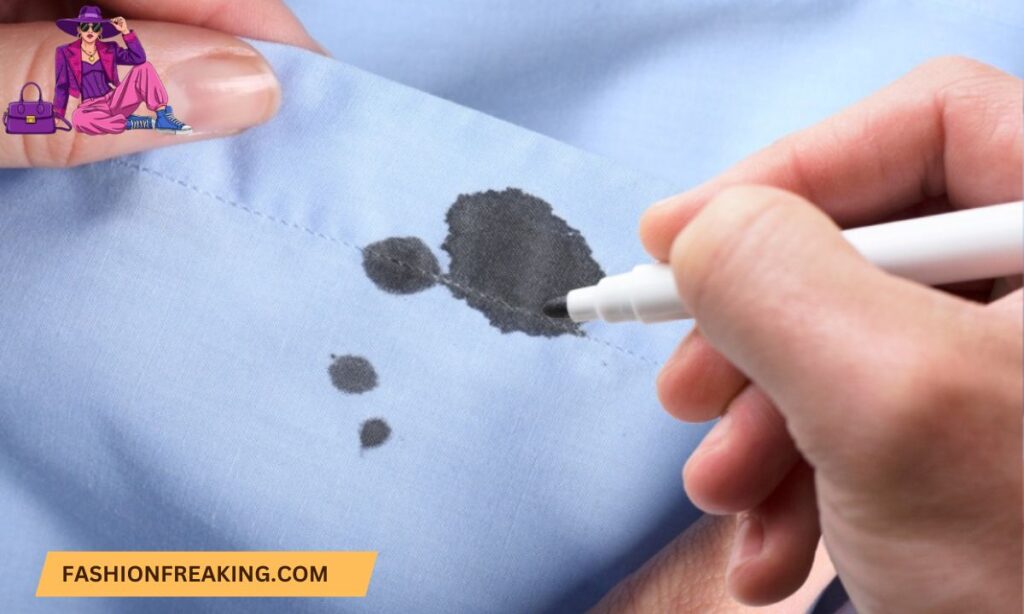
It happened again. A dry erase marker rolled off the desk, a cap came off in a bag, or a kid decided a shirt was more exciting than the whiteboard. Now there’s a dark, oily streak across fabric — and a sinking feeling that it might be permanent.
Here’s the good news: dry erase marker stains are removable, even from cotton, denim, and most common fabrics. The key is using the right technique and acting before heat sets the stain for good. This guide walks you through every effective method, what to avoid, and how to handle stains that have already been through the wash.
Why Dry Erase Marker Is Hard to Remove from Fabric?
Dry erase markers aren’t your average washable markers. Their ink is specifically formulated to bond to smooth, non-porous surfaces like whiteboards — but that same chemistry makes them stubborn on fabric.
Dry erase ink contains three main ingredients that cause problems:
- Solvents (usually alcohol-based) that carry the pigment into fabric fibers
- Pigments or dyes that stick to individual fibers once the solvent evaporates
- Binding agents that help the ink cling to surfaces, including clothing
Once the solvent dries and the binding agents grip the fibers, the stain becomes increasingly resistant to soap and water alone. That’s why a quick rinse rarely works — you need a solvent-based solution to break down what a solvent-based ink created.
The Golden Rule: Act Before You Dry
Before getting into specific methods, there’s one rule that matters more than any product you use:
Never put the stained garment in the dryer until the stain is fully removed.
Heat permanently sets the ink into the fabric fibers. A stain that might have come out with a second treatment becomes nearly impossible to remove once it’s been baked in by a dryer. Air dry, inspect, then decide whether to wash again.
Method 1: Rubbing Alcohol (Best for Fresh Stains)
Rubbing alcohol (isopropyl alcohol, 70% or higher) is the most reliable first line of defense against dry erase marker stains. Since dry erase ink is solvent-based, alcohol works by re-dissolving the pigments so they can be lifted out of the fabric.
What you need:
- Rubbing alcohol (70–91% isopropyl)
- Clean white cloths or cotton balls
- A spare cloth to place under the stain
Steps:
- Place a clean cloth beneath the stained area to catch transferred ink.
- Dampen a cotton ball or clean white cloth with rubbing alcohol.
- Blot — do not rub — the stain, working from the outer edges toward the center.
- Swap to a fresh part of the cloth as ink transfers off the fabric.
- Continue until the stain lifts.
- Rinse the treated area with cold water.
- Apply a small amount of dish soap, work it in gently, then wash the garment in cold water.
- Air dry and inspect before considering it done.
Important: Do not use rubbing alcohol on acetate, rayon, wool, or silk. Always do a small patch test on a hidden area first.
Method 2: Hand Sanitizer (Works Like Rubbing Alcohol)
Alcohol-based hand sanitizer is essentially rubbing alcohol in gel form — which makes it easier to control and apply directly to the stain without it running.
Apply a generous amount of hand sanitizer directly onto the stain. Use a clean, damp sponge or cloth to work it into the fabric in small circular motions. Rinse with cold water and repeat as needed. Follow with a normal cold-water wash cycle and air dry.
This method works especially well on smaller, concentrated stains and is a convenient option when rubbing alcohol isn’t on hand.
Method 3: Hairspray (Great for Set-In Stains)
Older hairspray formulations — particularly those with high alcohol content — have long been a go-to for ink stains on clothing. While modern aerosol hairsprays contain less alcohol than they once did, many still work effectively on dry erase marker stains.
Spray the affected area generously and let it sit for 1–2 minutes. Use a clean cloth to blot the stain, again working from the edges inward. Rinse thoroughly with cold water to remove any sticky residue, then launder normally. Combining hairspray with rubbing alcohol gives extra stain-fighting power on tougher marks.
Method 4: White Vinegar Soak (Gentle Alternative)
White vinegar is a milder option that works well on delicate fabrics or when you want to avoid alcohol-based solutions.
Fill a clean basin with water and add one cup of white vinegar. Submerge the stained garment and let it soak for 15–20 minutes. Gently blot the stain with a soft cloth, then wash the garment as normal in cold water. Air dry and check before repeating if necessary.
This method is gentler but may require multiple treatments on darker or larger stains. It’s a good choice for colors that might be affected by stronger solvents.
Method 5: Dish Soap and Baking Soda Paste (For Stubborn Stains)
For stains that have sat for a while or are particularly dark, a paste made from dish soap and baking soda provides a gentle abrasive action alongside degreasing power.
Mix one tablespoon of dish soap with one tablespoon of baking soda to form a thick paste. Apply it directly to the stain and work it in gently with your fingertips or a soft-bristled toothbrush. Let it sit for 10 minutes. Rinse with cold water and wash as normal.
Method 6: OxiClean or Oxygen-Based Stain Remover (For Dried Stains)
When a stain has already been through the wash and is still visible, an oxygen-based cleaner like OxiClean is worth reaching for. These products use oxidation to break down stubborn pigment bonds in fabric.
Mix OxiClean according to the package instructions and soak the garment for at least one hour. Then run it through a full wash cycle on the appropriate setting for the fabric. Check before drying — repeat the soak if needed.
Quick Comparison: Which Method Works Best?
| Method | Best For | Fabric Caution | Ease of Use |
| Rubbing Alcohol | Fresh stains on most fabrics | Avoid on silk, wool, rayon | Easy |
| Hand Sanitizer | Small, concentrated stains | Same as rubbing alcohol | Very Easy |
| Hairspray | Set-in stains | Test on delicates first | Easy |
| White Vinegar Soak | Delicate fabrics | Generally safe | Easy |
| Dish Soap + Baking Soda | Stubborn or older stains | Safe on most fabrics | Moderate |
| OxiClean Soak | Stains that survived the wash | Check care label | Easy |
How to Remove Dry Erase Marker from Specific Fabrics?
Different fabrics need slightly different approaches.
Cotton and denim: Most resilient. Rubbing alcohol, hand sanitizer, and hairspray all work well. Use cold water when rinsing and washing.
Polyester and synthetic blends: Respond well to alcohol-based solutions. Avoid hot water, which can push the stain deeper.
Wool and silk: Skip the alcohol. Use the white vinegar soak method or take it to a professional dry cleaner if the stain is large.
Acetate and rayon: These are delicate and can be damaged by alcohol. Stick to gentle, water-based methods and consult a professional if the stain persists.
White clothing: You have more options, including diluted bleach (check the care label) and OxiClean, which are generally more aggressive on stains without risking visible color damage.
Also Read This: What Is Size 80 in Baby Clothes?
What If the Stain Already Went Through the Dryer?
This is the hardest scenario — but it’s not always hopeless. Start with rubbing alcohol and give the stain multiple treatments. Follow each treatment with an OxiClean soak before rewashing. Progress may be slow, and complete removal isn’t guaranteed, but persistent treatment often reduces the stain significantly.
The key here is patience: repeat the alcohol treatment, soak, and cold wash cycle two or three times before giving up.
How to Prevent Dry Erase Marker Stains?
A little preparation goes a long way — especially in classrooms and creative spaces.
- Keep a cap securely on markers when not in use.
- Store markers horizontally, not tip-down, to reduce leaking.
- Wear an art smock or old clothes when working with markers at a table.
- Place a clipboard or hardback book under the writing surface to prevent bleed-through.
- Keep rubbing alcohol and stain spray on hand so you’re ready to act immediately.
FAQ’s
Does dry erase marker come out of clothes easily?
Yes, especially when treated quickly with rubbing alcohol or hand sanitizer before the stain dries or is exposed to heat.
Can I use acetone or nail polish remover on dry erase marker stains?
Acetone can work on some stains but is harsh and may damage or discolor fabric — use rubbing alcohol instead as a safer alternative.
Will regular laundry detergent remove dry erase marker?
Detergent alone usually isn’t enough since dry erase ink is solvent-based; pre-treat with alcohol or another solvent before washing.
What removes dry erase marker from white clothes?
Rubbing alcohol works well, and you can follow up with an OxiClean soak or a diluted bleach solution if the garment’s care label allows.
How do you get dry erase marker out of jeans?
Apply rubbing alcohol, blot repeatedly, rinse with cold water, then wash in a cold cycle — repeat if needed before drying.
Is dry erase marker the same as permanent marker?
No — dry erase marker uses solvent-based ink designed to wipe off non-porous surfaces, while permanent marker uses different resins that bond more aggressively to fibers.
Can I use a Magic Eraser on a fabric stain?
A slightly dampened Magic Eraser can help lift stains from fabric, but use it gently to avoid damaging or pilling the material.
Conclusion
A dry erase marker stain on clothing feels like a disaster in the moment — but with the right approach, most stains come out completely. Rubbing alcohol is your first and best option for fresh stains, while hand sanitizer, hairspray, and dish soap paste all offer solid alternatives depending on what you have available. For older or set-in stains, an OxiClean soak followed by a cold wash is your best path forward.
The single biggest mistake is tossing the garment in the dryer before the stain is gone. Air dry, inspect, and treat again if needed. A little patience and the right product will save most clothes — even the ones that looked like a lost cause.

Shoaib is the creative mind behind FashionFreaking.com, sharing trendy insights on shoes, jewelry, clothes, and modern fashion to inspire confidence, style, and everyday elegance for fashion lovers worldwide.